Baptize the World gathered at the Museum of the Bible in Washington on Pentecost Sunday with no baptismal tank in the room. The water was in Brazil, in Tajikistan, in 49 countries and all 50 states, and the job of everyone in D.C. was to carry it somewhere else. What that night says about production ministry is the same thing Acts 2 has been saying since the beginning.
Baptize the World. Washington D.C. Pentecost Sunday, 2026.
#
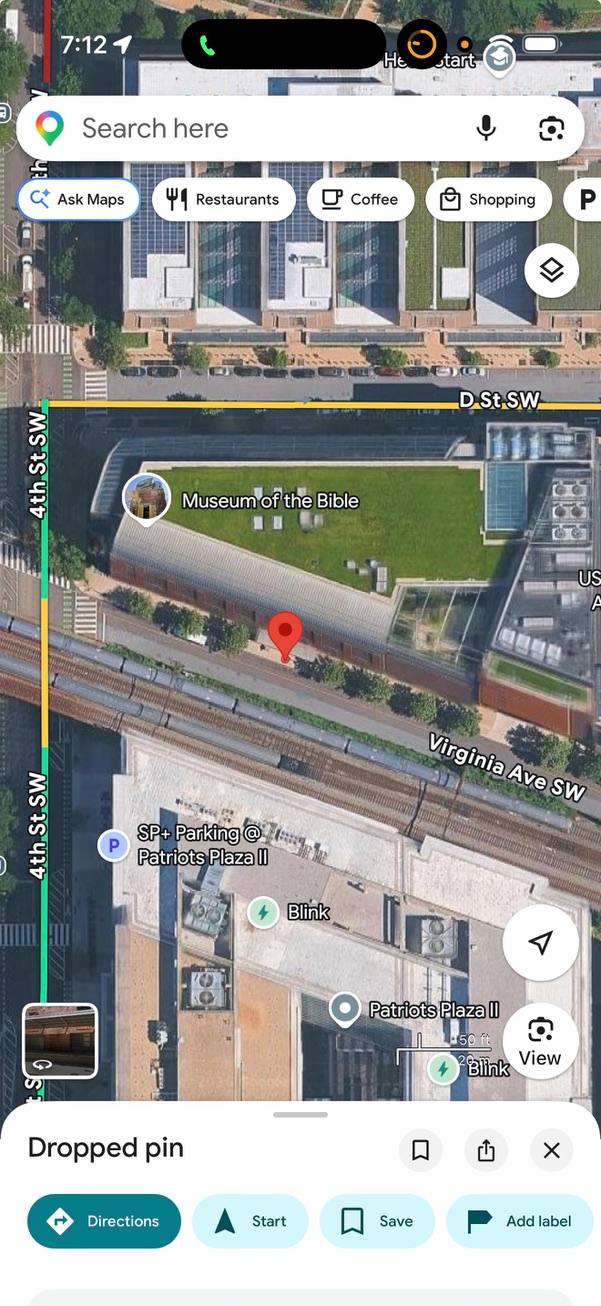
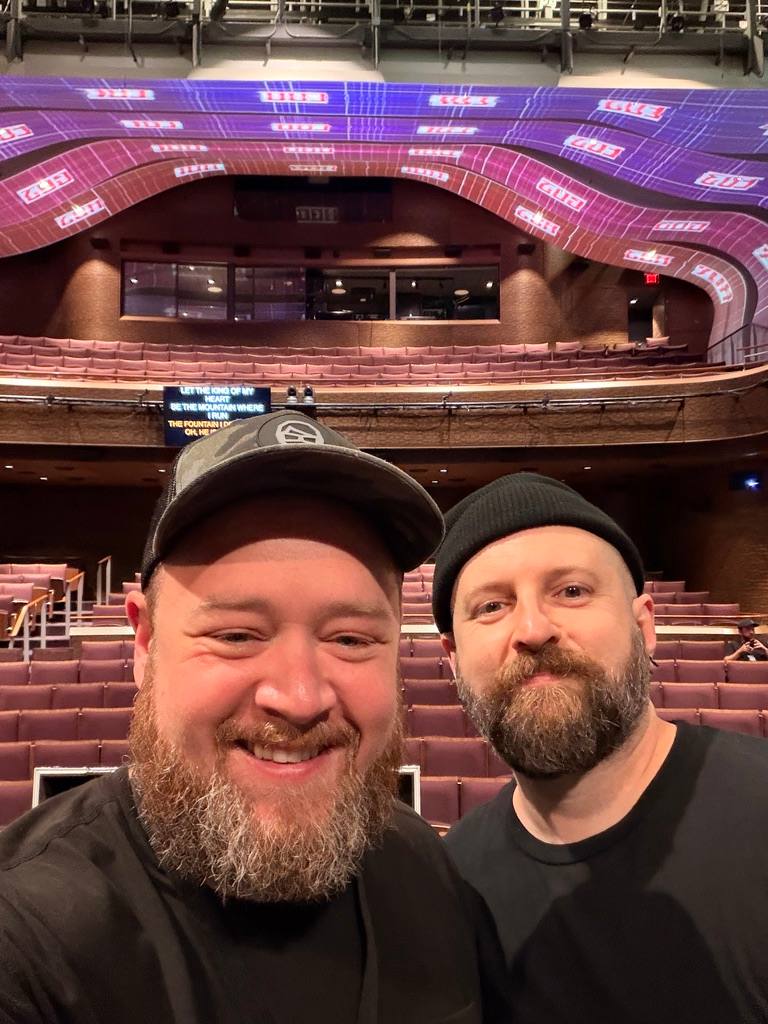
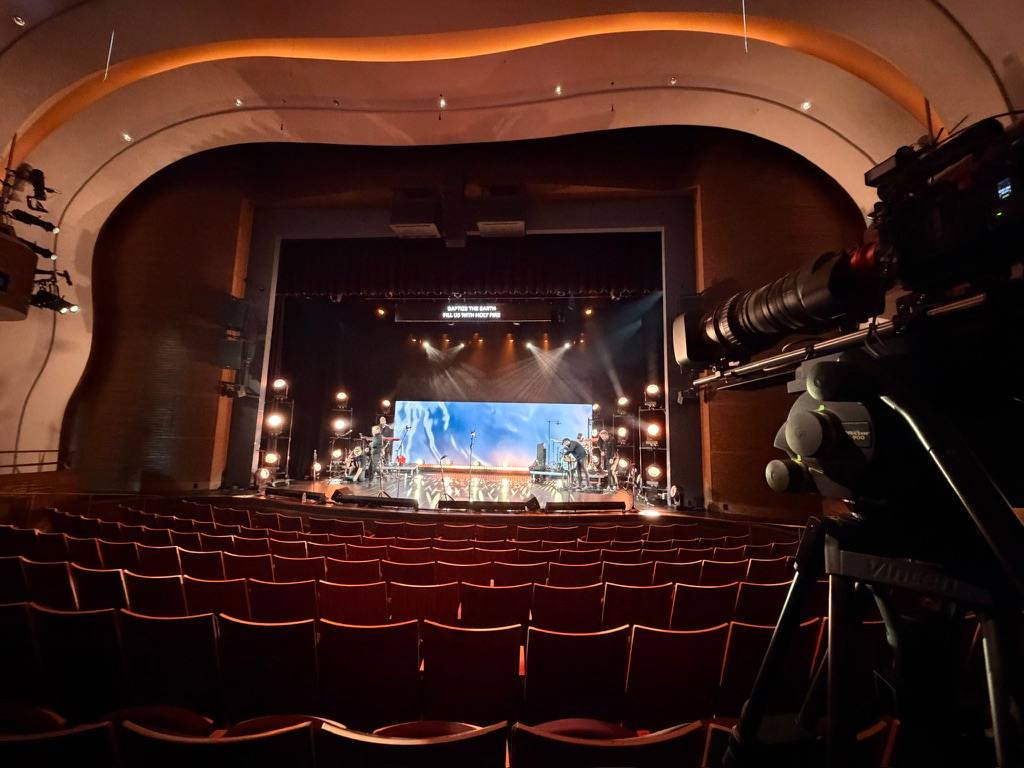
The World Stage Theater at the Museum of the Bible is not a big room. A few hundred seats. Good sightlines. Clean acoustics. Half a mile from the Capitol dome.
There was no baptismal tank in it.
That is the first thing worth saying about the night. The largest synchronized baptism event in the history of the church had its central gathering in a room with no water in it. Nobody went under in Washington. The water was in Brazil. In Tajikistan. In a river in Southeast Asia. In a horse trough behind a church in a state most of us have never driven through.
The room in D.C. existed to carry it.
What actually happened
May 24. Pentecost Sunday. Doors at five, program at six.
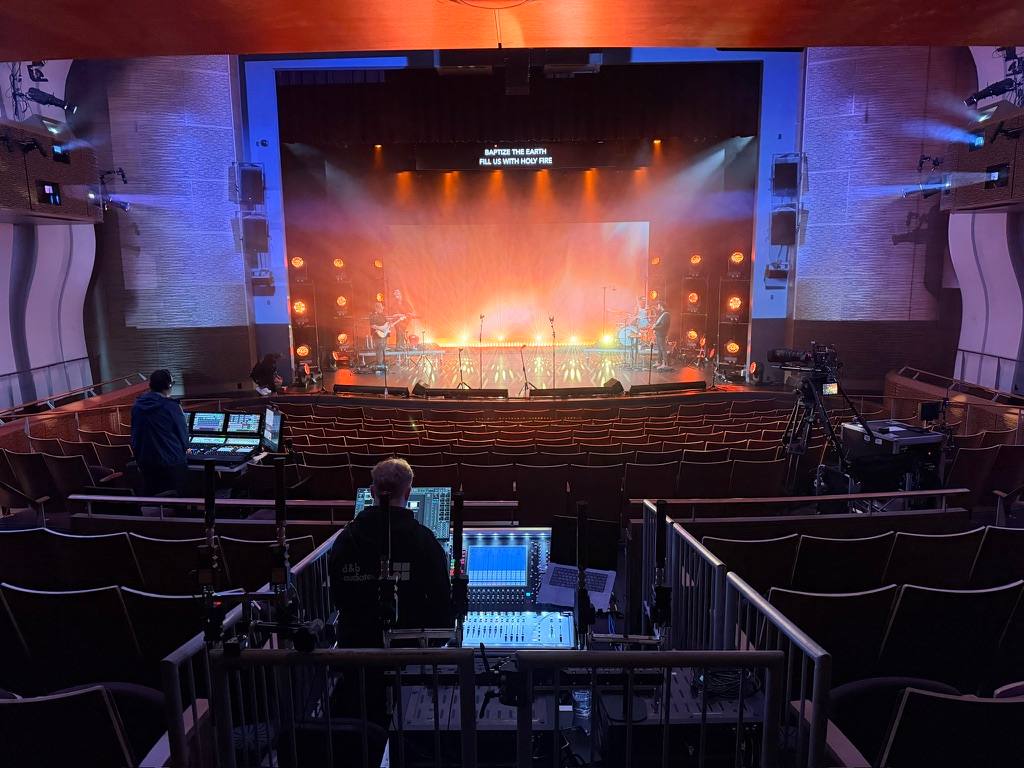
Mark and Rachelle Francey hosted. Leeland, Tiffany Hudson, and Oceans Music led worship. Ken Wilde, Bishop Brett Fuller, Tonya Prewett. Global updates, testimony after testimony, recap packages from nations, prayer over the map. Daystar carried the feed.
The final count came back at 17,910 baptisms across 49 countries and all 50 states, with more than 1,600 churches participating. Organizers said the number was still climbing as reports came in, which is what happens when the reporting mechanism is 1,600 volunteer teams texting numbers in on a Sunday afternoon.
Four years ago this was one church at one beach in Southern California. Baptize SoCal in 2023. Baptize California in 2024. Baptize America in 2025 with almost 28,000 people. Then the world.
The part I keep thinking about
I have spent 25 years building broadcast systems for rooms that were trying to do exactly what that room was doing. Take something that happened in one place and get it somewhere else without dropping it.
Baptism is the hardest possible thing to transmit.
Communion is portable. Preaching is portable. A worship set travels through a feed better than almost anything we produce. But baptism is a body. It is water and weight and somebody's hands on the back of your neck. It is the most stubbornly physical thing the church does. You cannot stream a baptism to somebody. They have to get wet.
So the D.C. room did not try to be the event. It was infrastructure. It was a distribution point for something that had already happened, or was happening at that hour, in 49 countries at once.
That is a specific kind of production problem. Not "how do we make this look good." How do we make somebody in Tennessee watching a nine second clip from Tajikistan believe they are in the same church as those people.
The answer is not resolution. It is not lighting. It is not a good IMAG cut, although all of that helps and I care about all of it.
The answer is that somebody has to actually believe the person on the other side of the feed is real.
The number is not the point, and the number is the point
Seventeen thousand nine hundred and ten.
I have been around long enough to be suspicious of numbers on a slide. Attendance figures get rounded up. Decision cards get counted twice. Everybody in this world knows it and most of us have quietly participated in it at some point.
But this one is countable in a way most ministry metrics are not. A person either went under the water or they did not. There is video. There is a name. There is a local church that has to figure out what to do with them on Monday.
That last part is the whole thing. The organizers keep saying it and I think they are right to keep saying it. The event does not disciple anybody. The event produces a moment. The local church produces a life. If the 1,600 churches that reported a number in May do not know those people by name in November, then what happened on Pentecost Sunday was a broadcast and not a movement.
I do not know how that shakes out. Nobody does yet. Ask again in a year.
What I took home
A few things I have not stopped chewing on since.
The room was small and the reach was not. Church production people spend an enormous amount of energy on room size. Seat count. Square footage. Whether the sanctuary feels full. That night the seat count was irrelevant to the outcome. The theater was a studio. The congregation was everywhere else.
Most of our teams already live this reality and have not admitted it. Your online audience is larger than your room. It has been for years. You still build every Sunday for the people you can see.
The second thing. Nobody in that theater was the main event. Not the hosts, not the worship leaders, not the guests, not the crew. The main event was a stranger in a river on the other side of the planet and the job of everyone in Washington was to point at them and get out of the way.
That is production ministry in one sentence. It is also the hardest discipline in this line of work, because the temptation runs the other direction every single week.
Production done right is invisible. I say that constantly. That night the invisibility had a shape you could point at. The best possible outcome was that nobody watching thought about the room in D.C. at all.
Pentecost is a broadcast story
It is worth noticing where they put this.
Pentecost is the day the message went out in every language at once. One room, a hundred and twenty people, and suddenly Parthians and Medes and Elamites are hearing the same thing in their own tongue. The mechanism was the Spirit. But the shape of the story is distribution. Something happened in one room and landed accurately in dozens of others.
That is the job. It has been the job since Acts 2. We have just added cameras to it.
The next one is Pentecost Sunday, May 16, 2027. Somebody reading this is going to be responsible for a camera, a stream, a switcher, or a signal chain that morning.
Take it seriously. The water is going to be somewhere else, and somebody has to carry it.