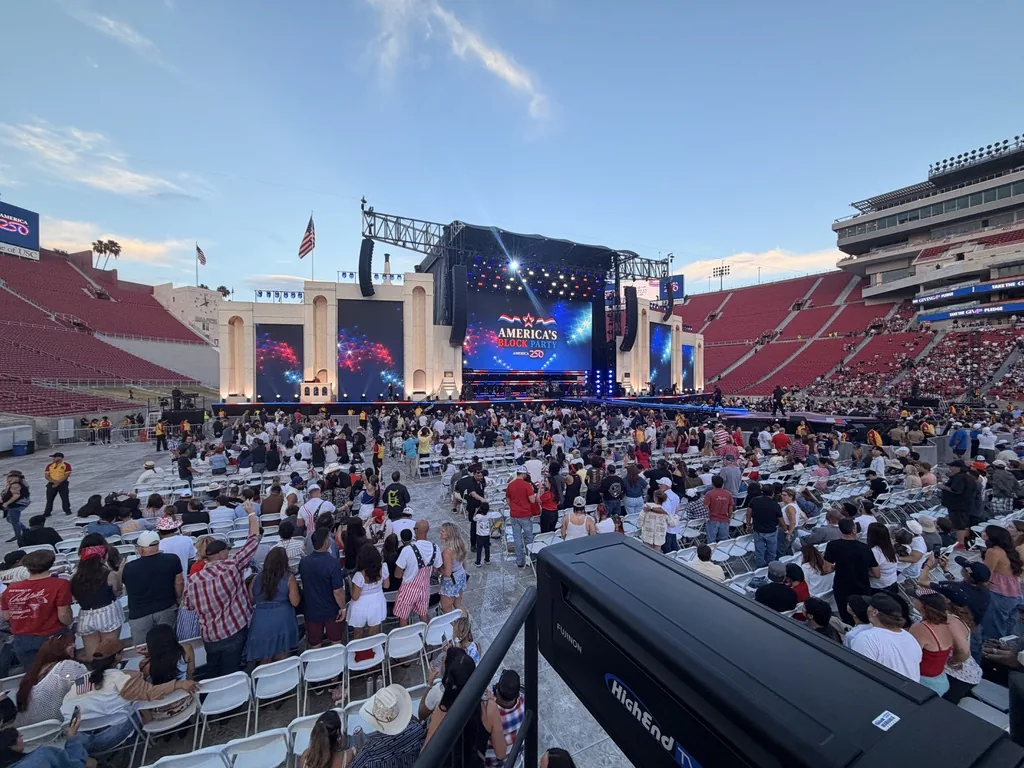
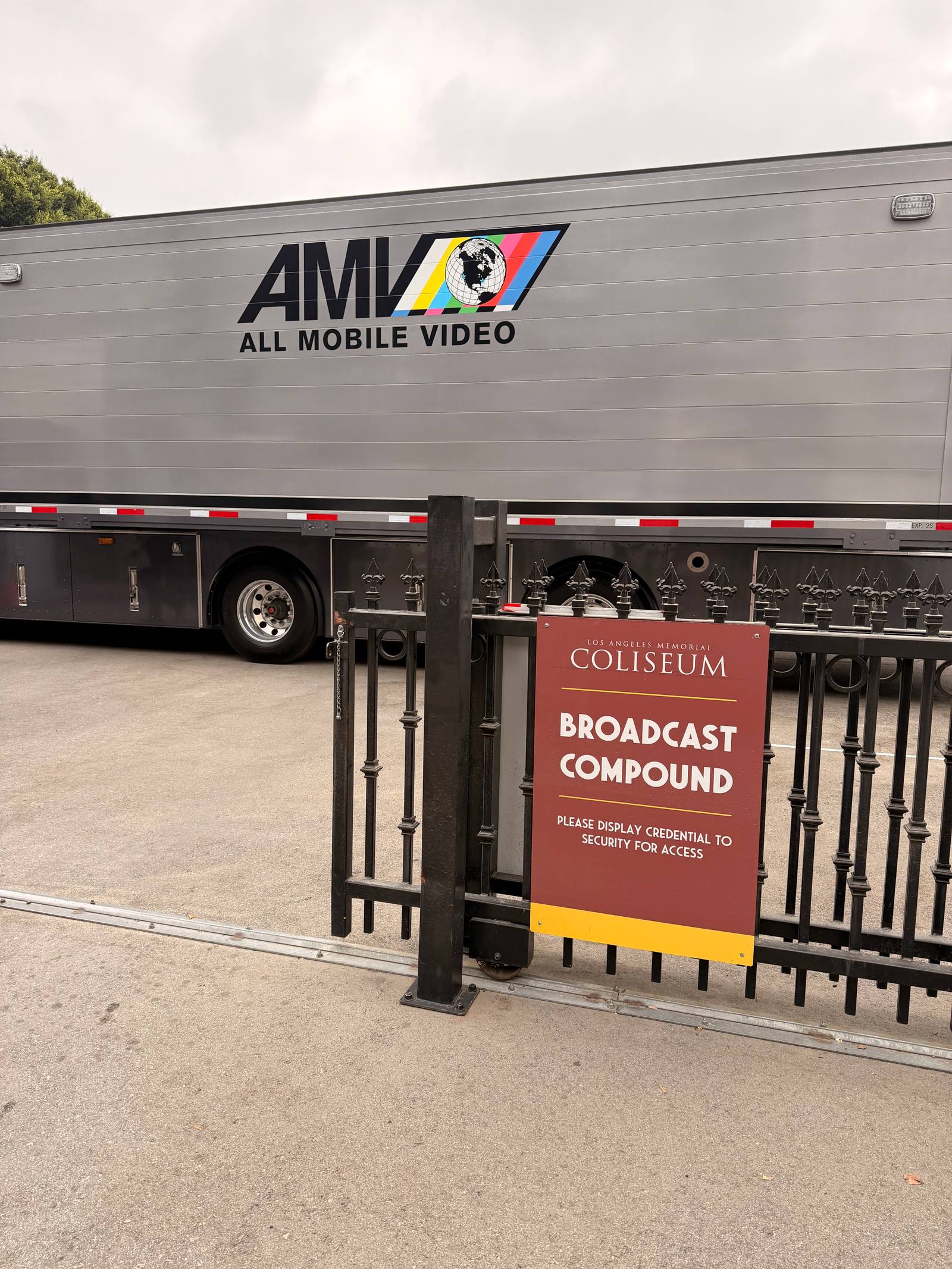
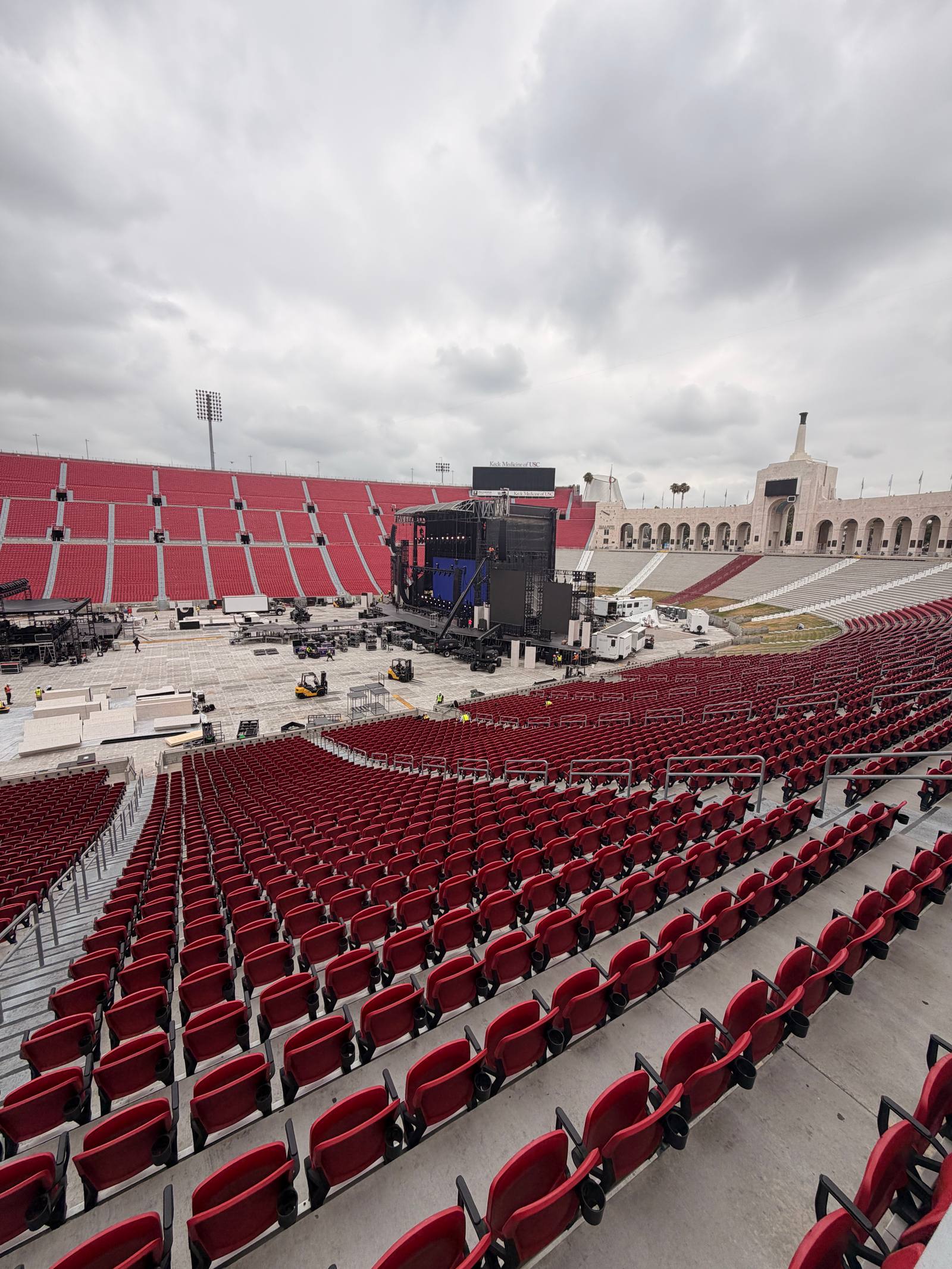
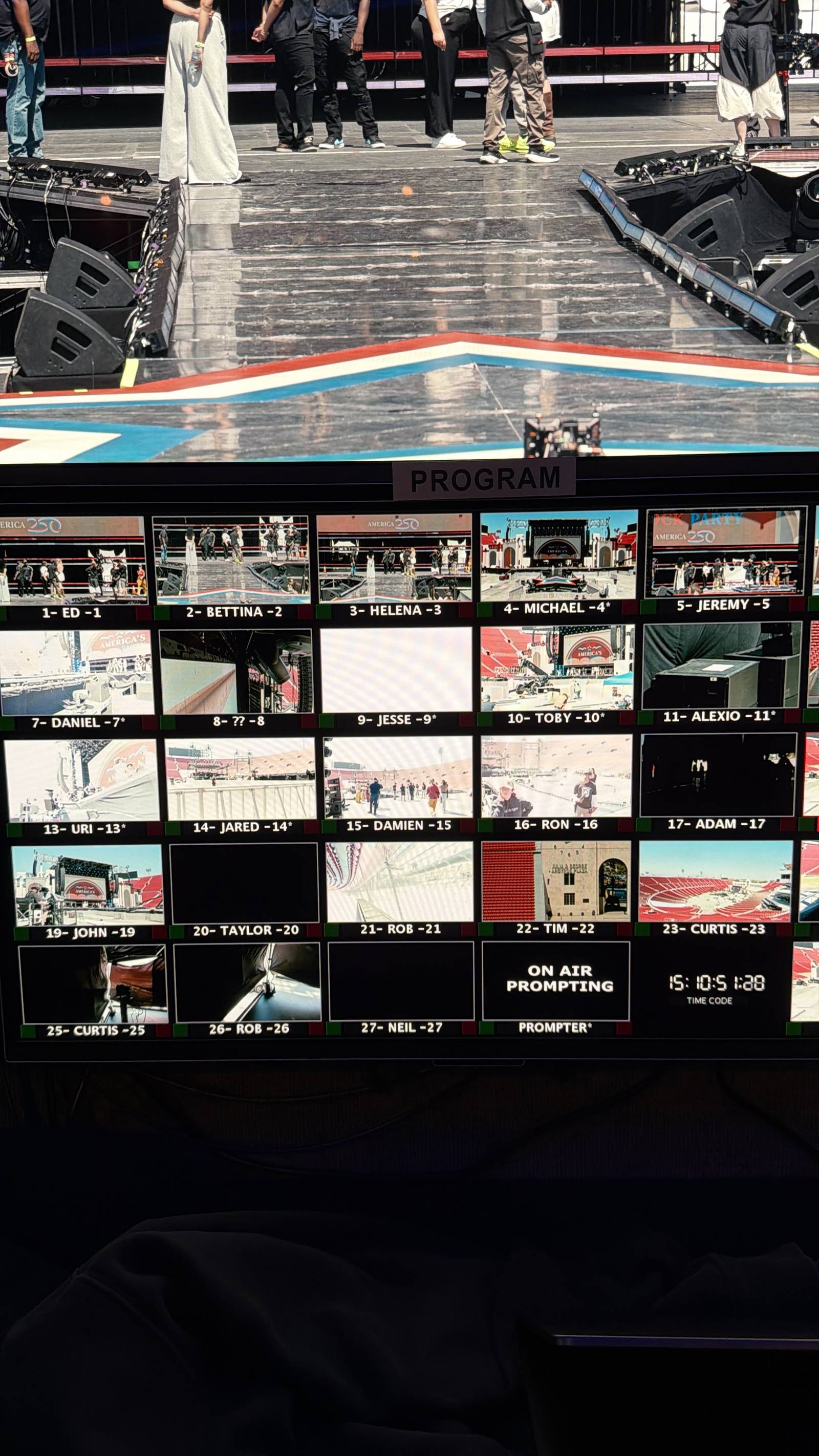
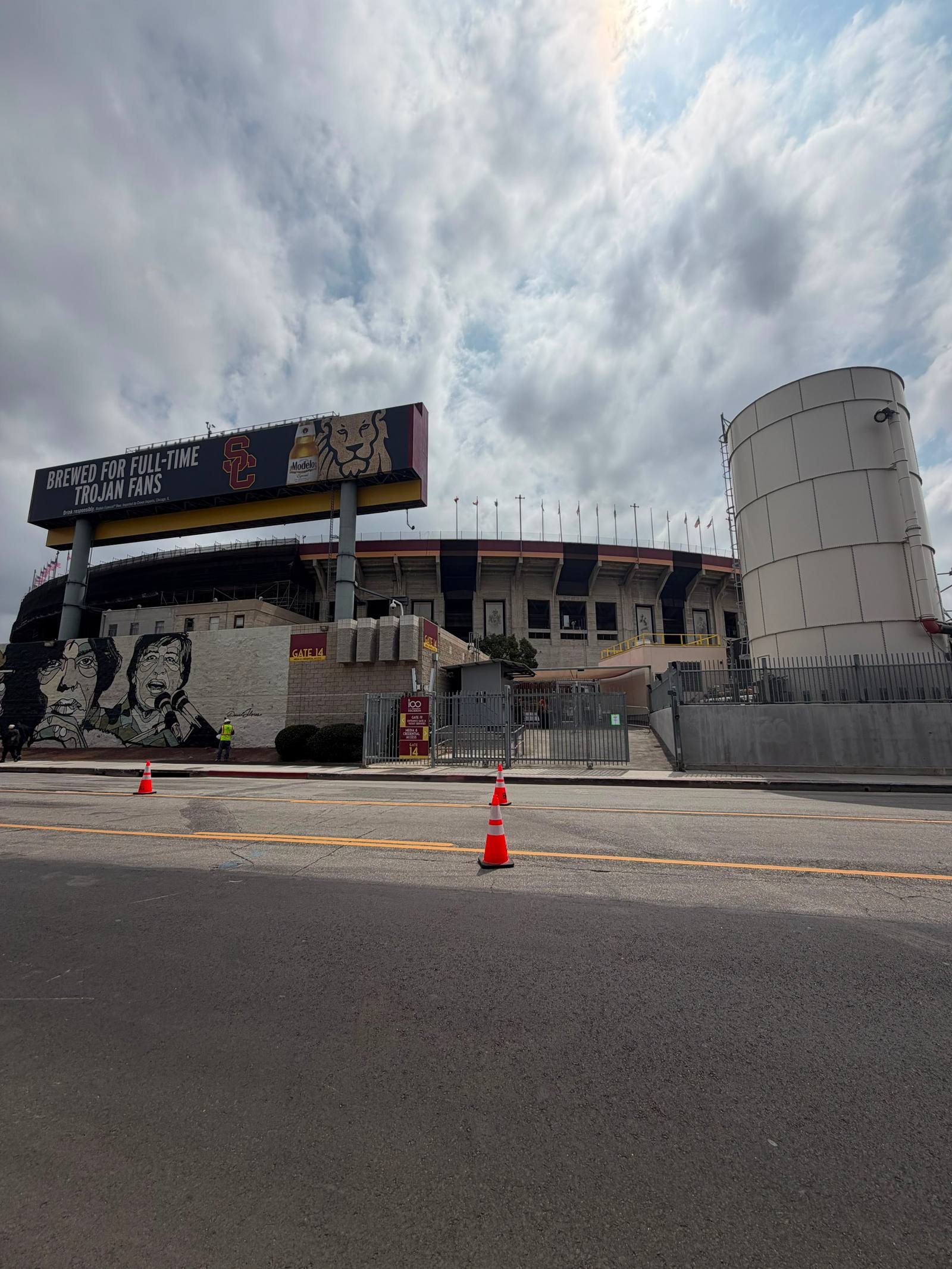
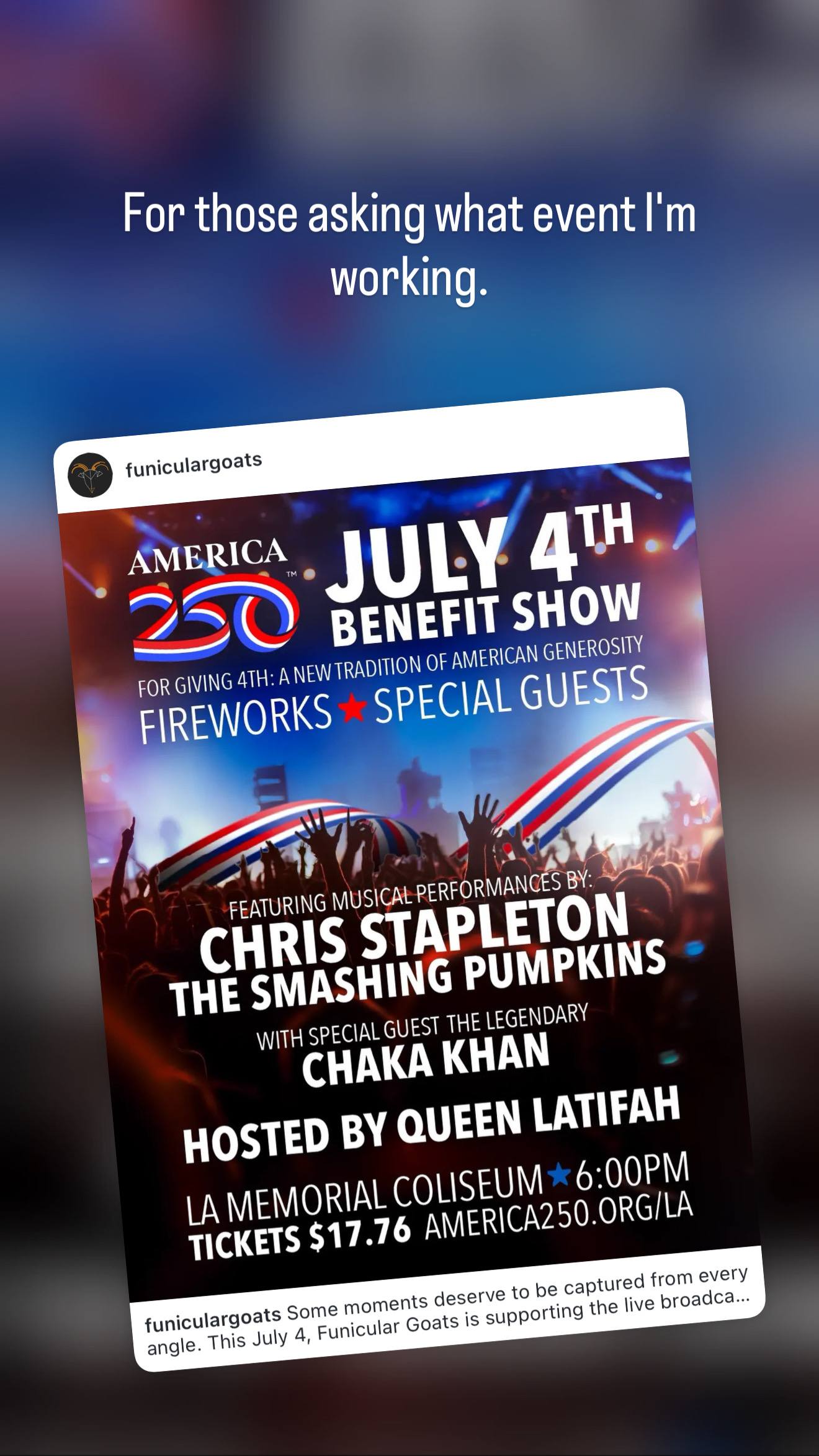
Rededicate 250: July 4th Celebration at the historic Los Angeles Memorial Coliseum located in Exposition Park, Los Angeles
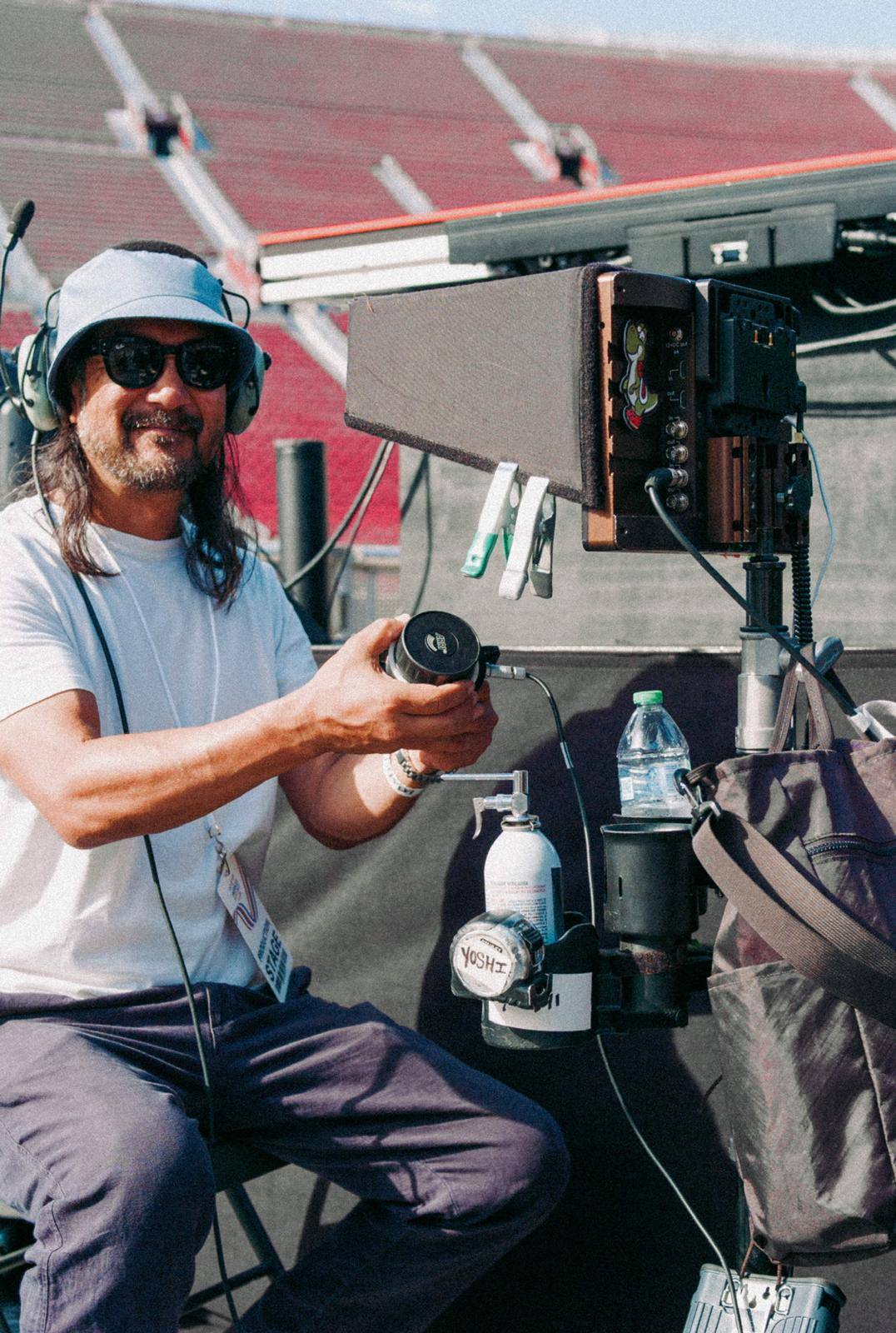
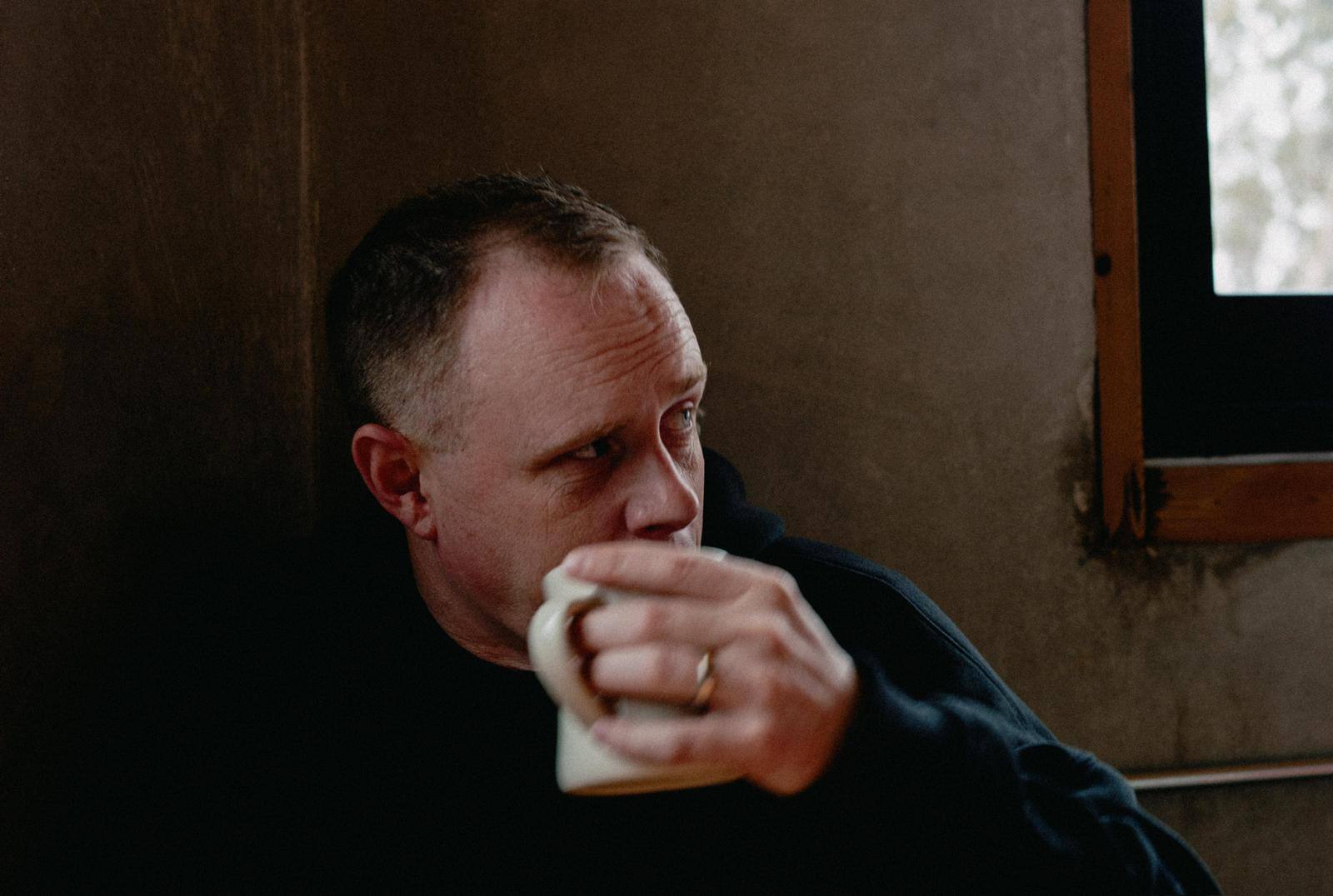
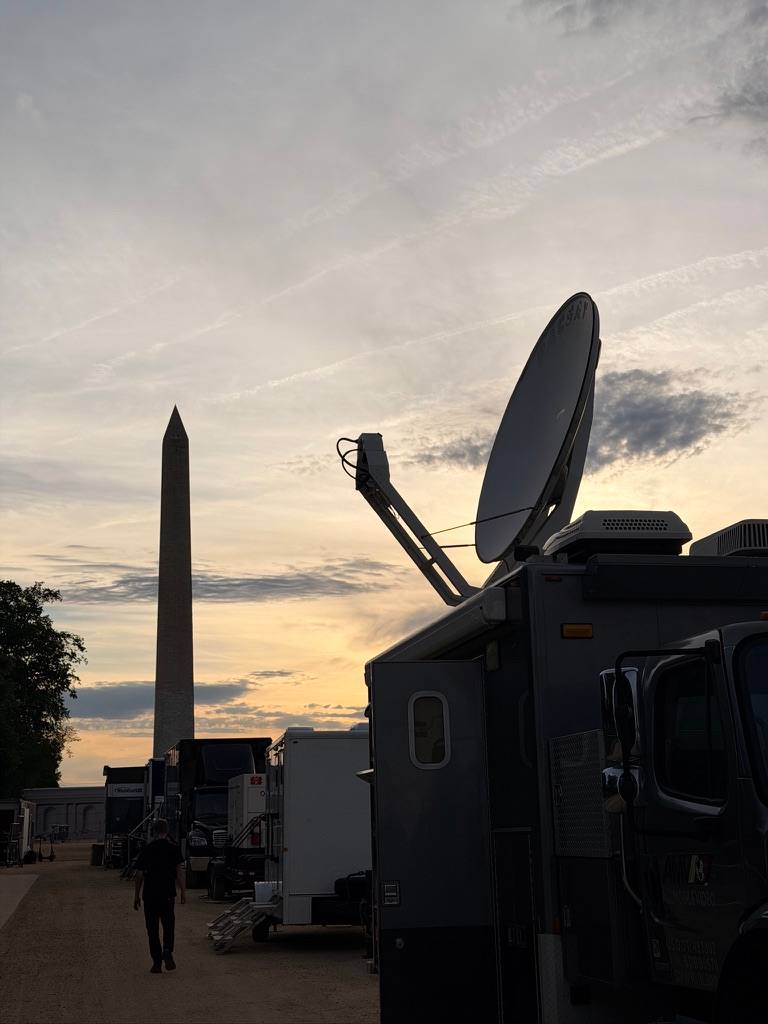
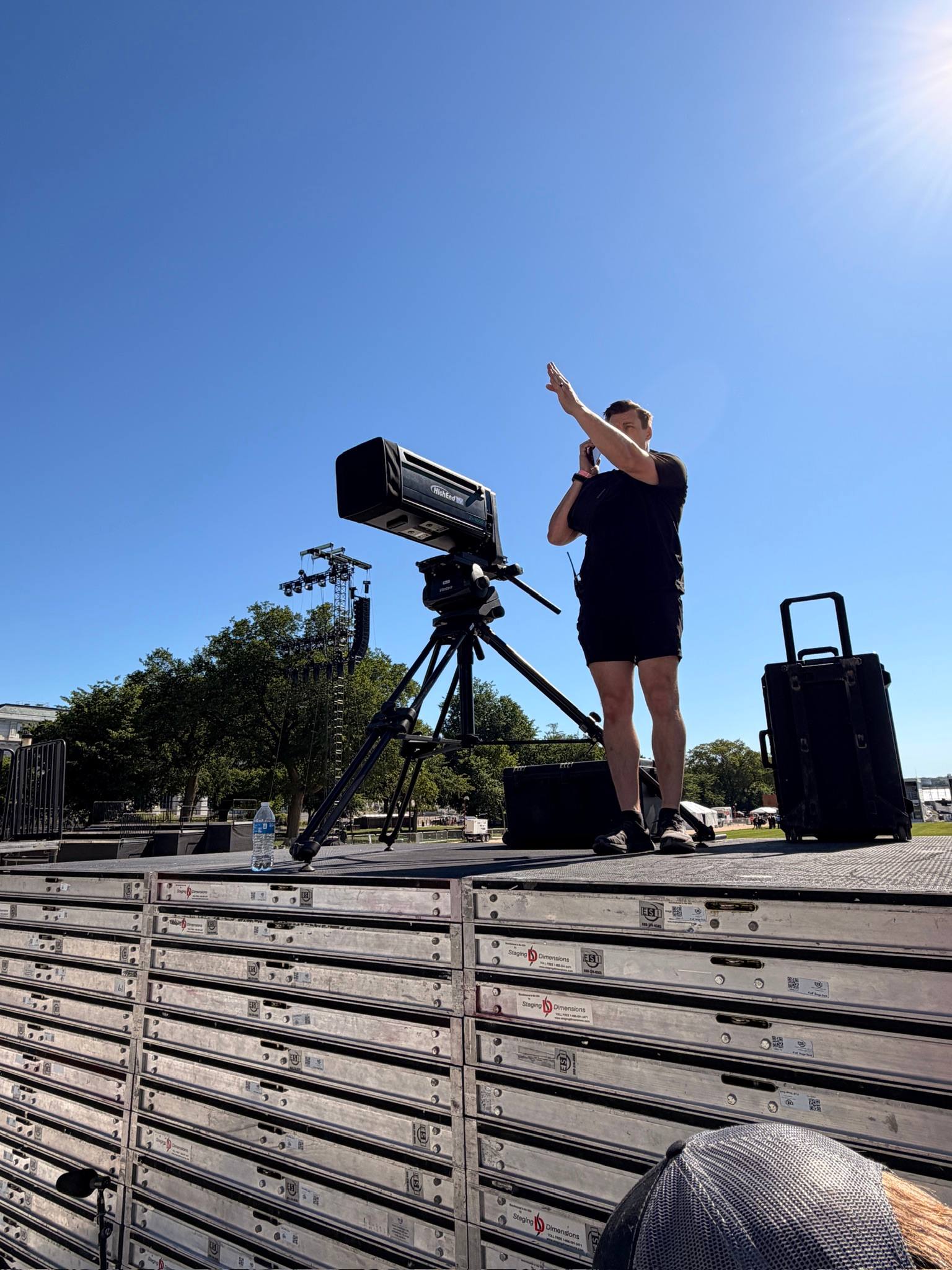
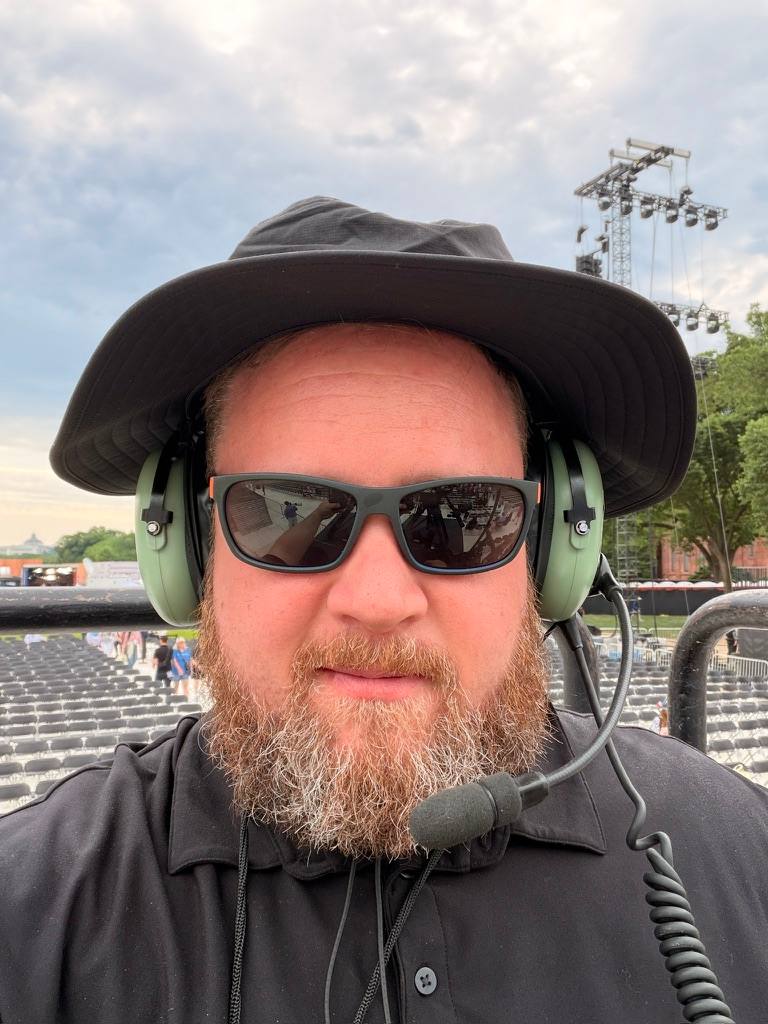
The air on the National Mall was already hot by 6:30am. Not at a podium. Not in the crowd. Behind a lens, watching, and participating in, one of the most historically significant public gatherings in recent American memory through a viewfinder.
Rededicate America 250: What Are You Free For?
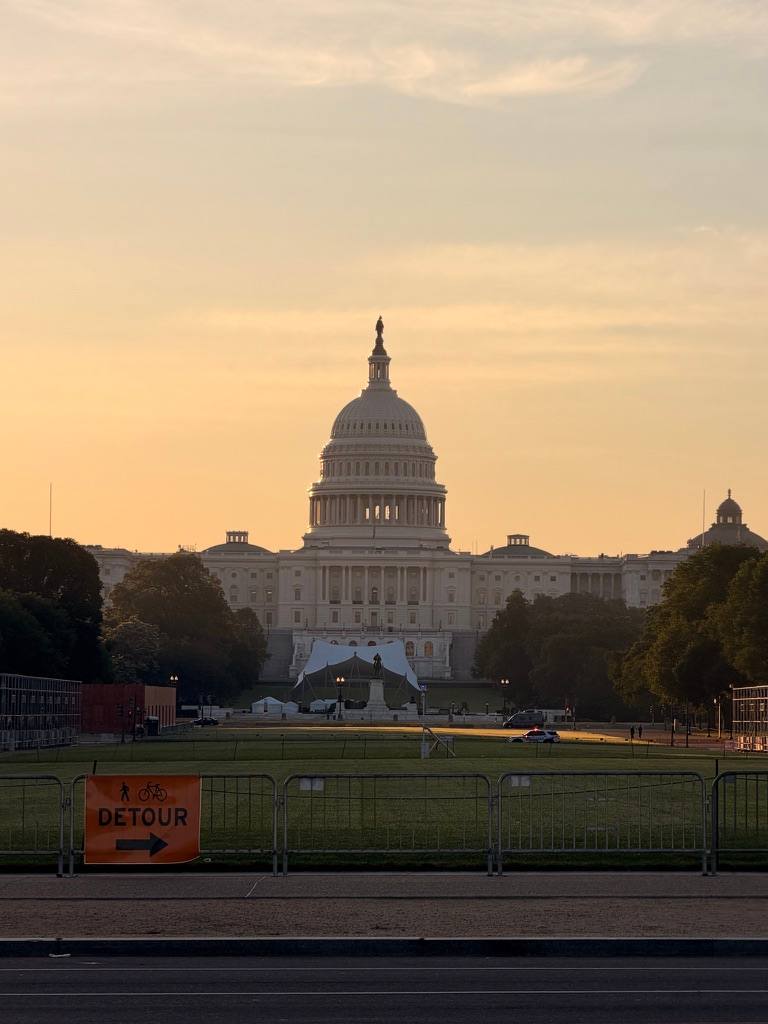
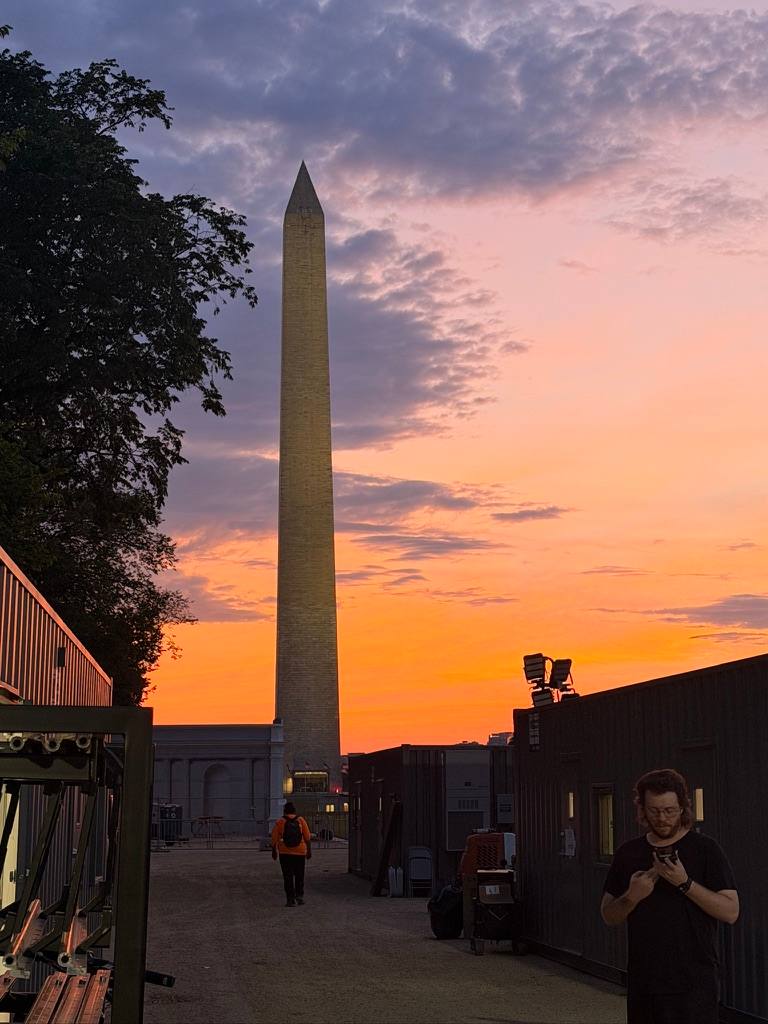
The air on the National Mall was already hot at 6:30 in the morning.
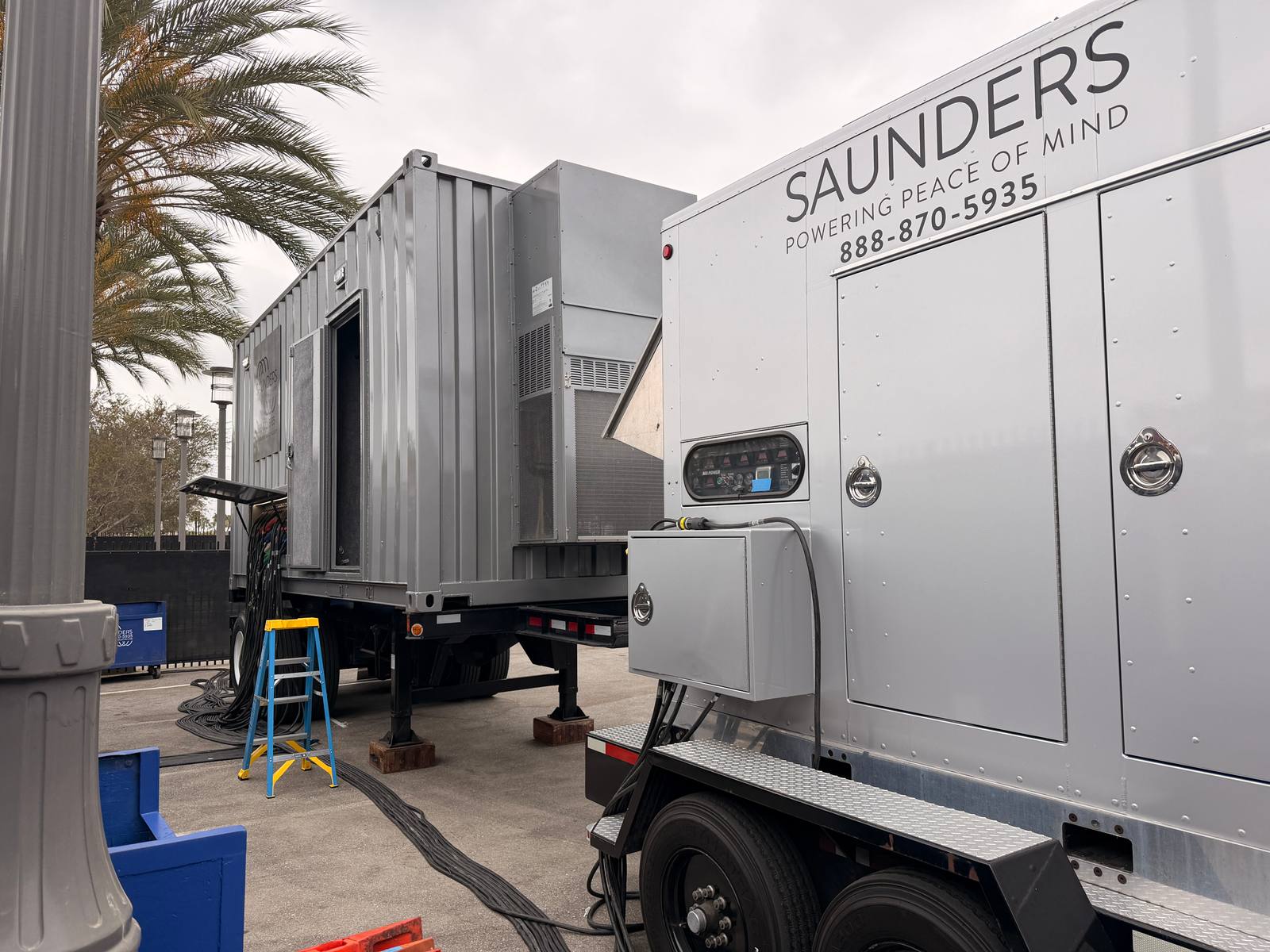
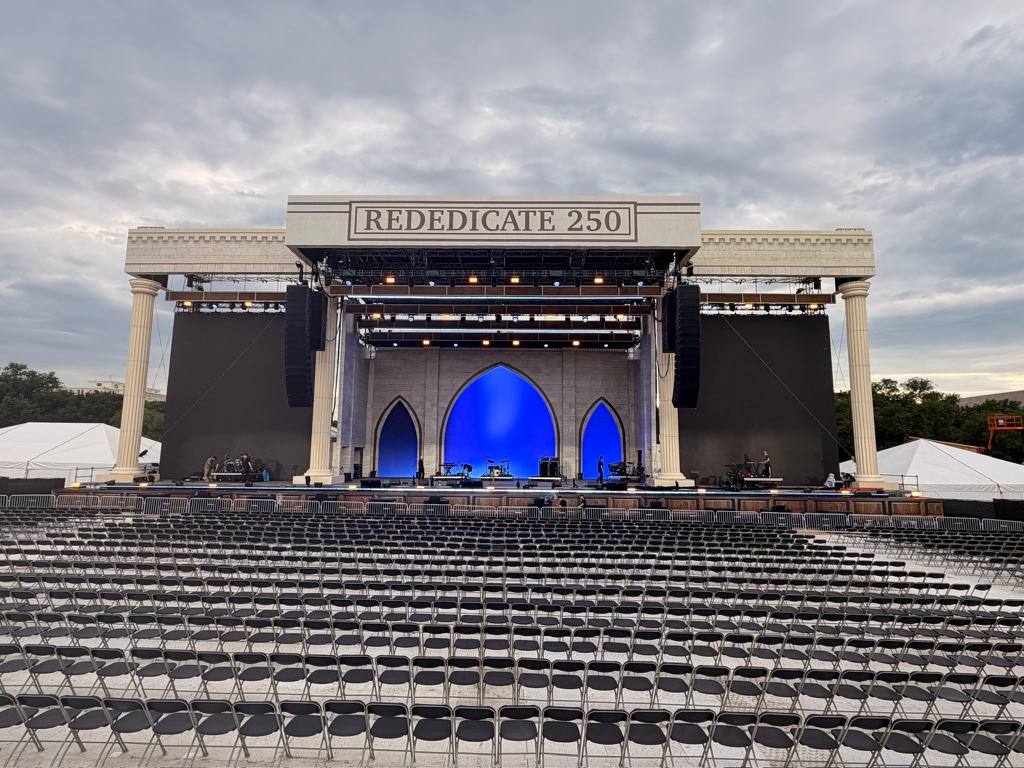
You could feel what kind of day it was going to be before the sun cleared the buildings. Cases open. Cable run. The stage lit and empty. Fences up, security in position, generators humming. Everything in order. Everything waiting.
I have spent 25 years in live production. Thousands of services. Concert films. Broadcasts. Most of my adult life has been spent in the director's chair calling shows.
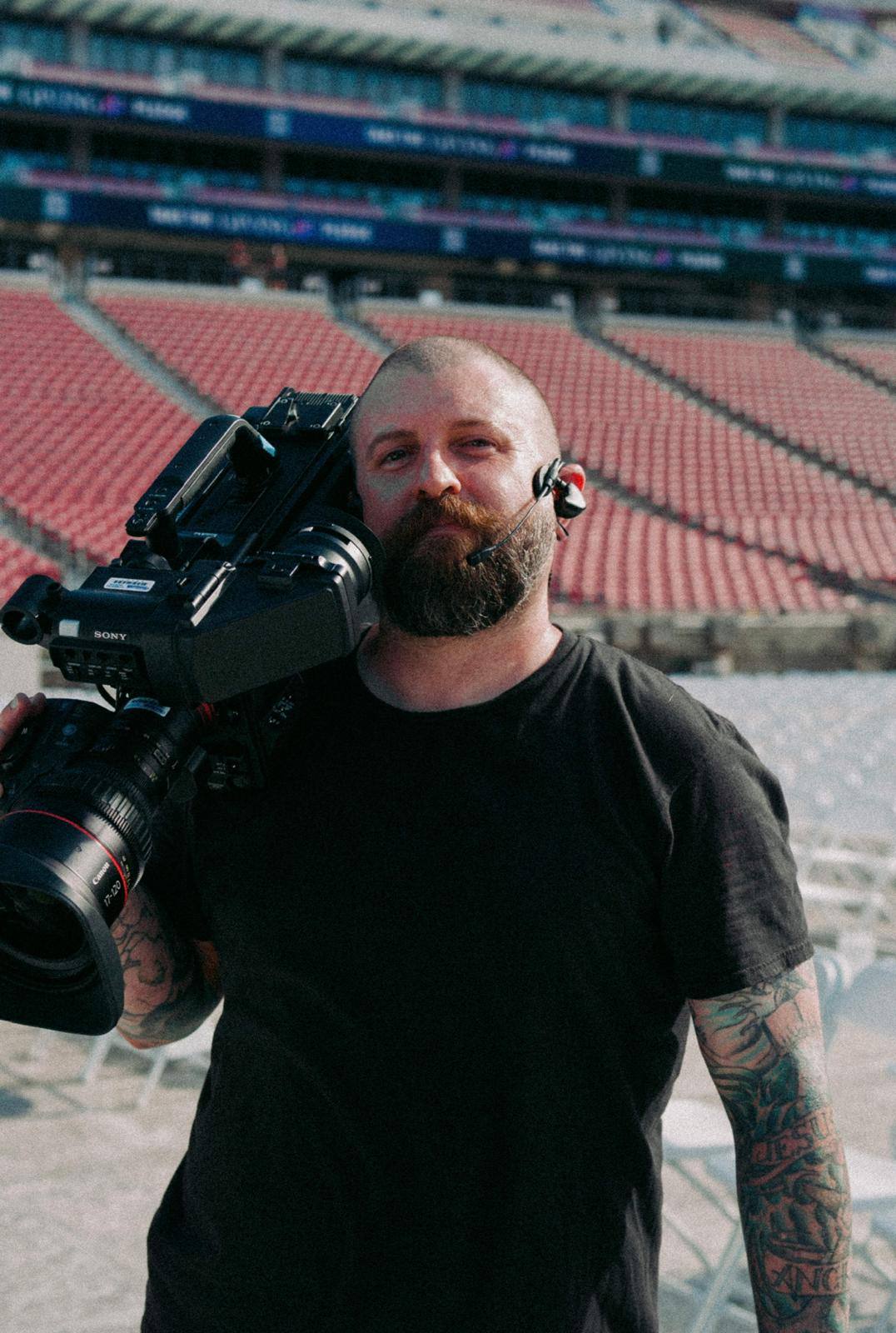
That day I was a camera operator.
I teach that camera operators are worshippers first. I have said it in training rooms, on conference stages, and to volunteers on their first Sunday. On the Mall, I got to find out whether I actually believed it.
What the day was
Rededicate 250 was billed as a National Jubilee of Prayer, Praise, and Thanksgiving. Organized by Freedom 250 ahead of the country's 250th anniversary. Thousands of people on the Mall from mid-morning until six in the evening in heat that never let up.
It was not a worship service. There was no single church style running through it. No one denomination left its fingerprints on the whole thing.
It was something else.
An affirmation. A remembrance. A declaration.
The lineup was unlike anything I have seen assembled on one stage. A rabbi and a cardinal. Pastors from traditions that do not typically share a platform. Cabinet officials. A worship leader most of the country knows by name. Military bands and ceremonial choirs. Hundreds of press credentials in the pen.
Different voices. Different streams. One God.
I have produced a lot of worship. I have been in a lot of rooms where something significant happened. This one landed differently, and it took me a while to understand why.
It was not the size. It was not the names.
This was not a church trying to get people to believe something. This was a nation trying to remember something it already claimed to believe.
Five freedoms
A few weeks later I was back in Washington working Baptize America at the Museum of the Bible. A room where people walked into water, one at a time, to declare a different kind of freedom.
There is a display in that building that names five freedoms. Freedom of want. Freedom of religion. Freedom of speech. Freedom from slavery. Freedom from injustice.
Read that list slowly.
Every one of them is a national story. We have fought wars over them. Written amendments for them. Marched for them. Failed at them. Tried again.
Every one of them is also a personal story. Provision. Belief. Voice. Deliverance. Justice.
The founders reached for those things with ink and argument. The people in that water were reaching for them another way entirely.
I am not saying those are the same thing. I am saying they are not strangers to each other.
The distance between the Mall and that museum is about a mile. It is also no distance at all.
The question underneath
Here is what sat with me while I worked.
A nation can declare independence. It cannot declare a person free.
A document can protect the freedom of religion. It cannot give anyone something worth believing.
Two hundred fifty years in, we are still arguing about what freedom means in this country. Loudly. Maybe that argument is itself evidence that the question was never fully settled at the founding. Maybe it could not have been.
Because the freedom the founders protected and the freedom those people stepped into the water for answer two different questions.
One asks what you are free from.
The other asks what you are free for.
Rededicate 250 was built on the first question. Baptize America was built on the second. I do not think either room could carry the weight alone.
Rededication
That word followed me around for weeks. Rededicate.
You do not rededicate something that is finished. You rededicate something that is still alive. Something that drifted. Something worth returning to.
That is true of a nation.
It is true of a calling.
It is true of a life.
I watched a lot of people go under the water that month. Every one of them came up facing the same country, the same headlines, the same divisions. Nothing about America changed in those moments.
Something about them did.
Two hundred fifty years in, I wonder if that is where it has always had to start.
Behind the lens
There is a version of this post where the point is that I worked a historic event. That is the smaller story.
The larger one is what the seat does to you.
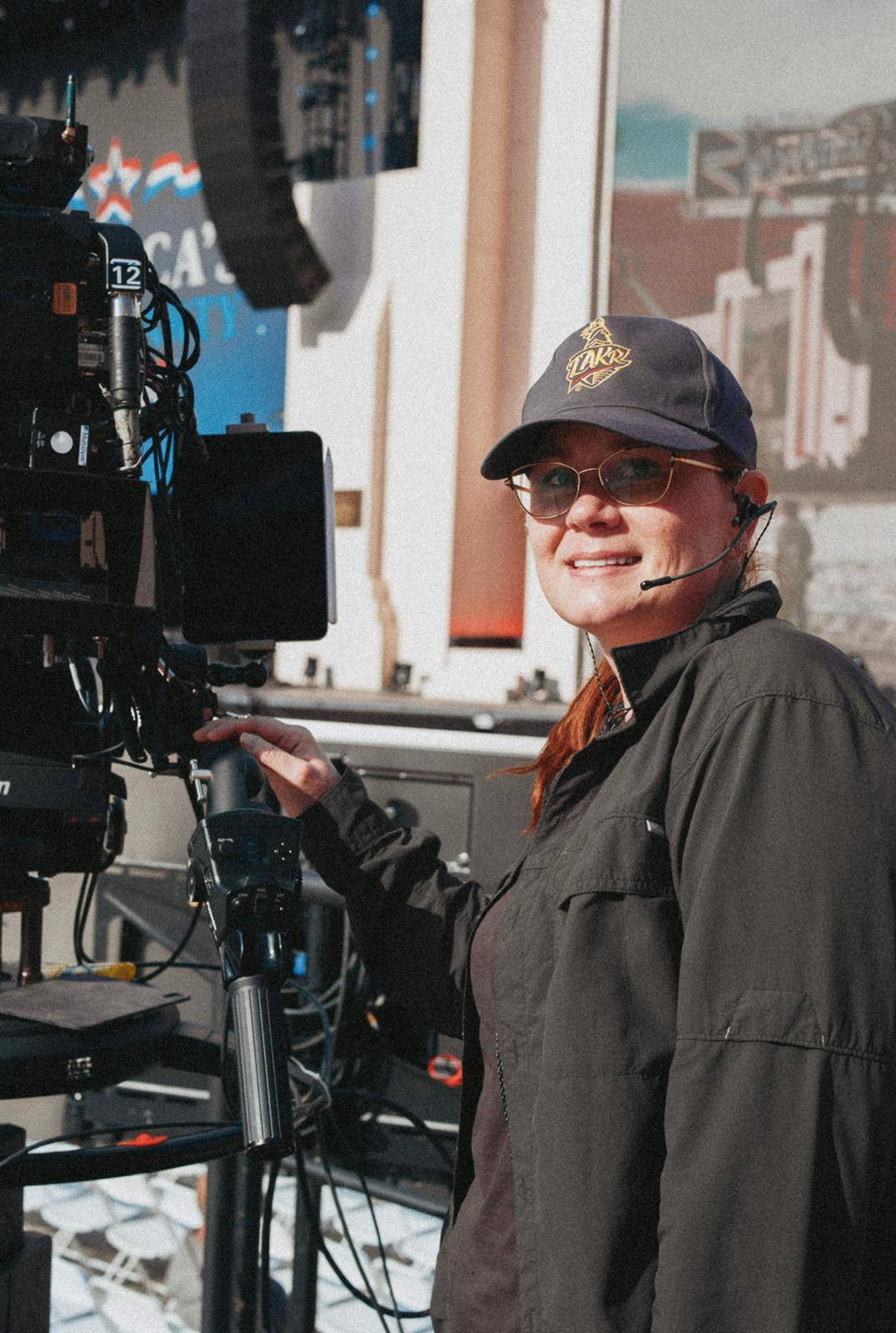
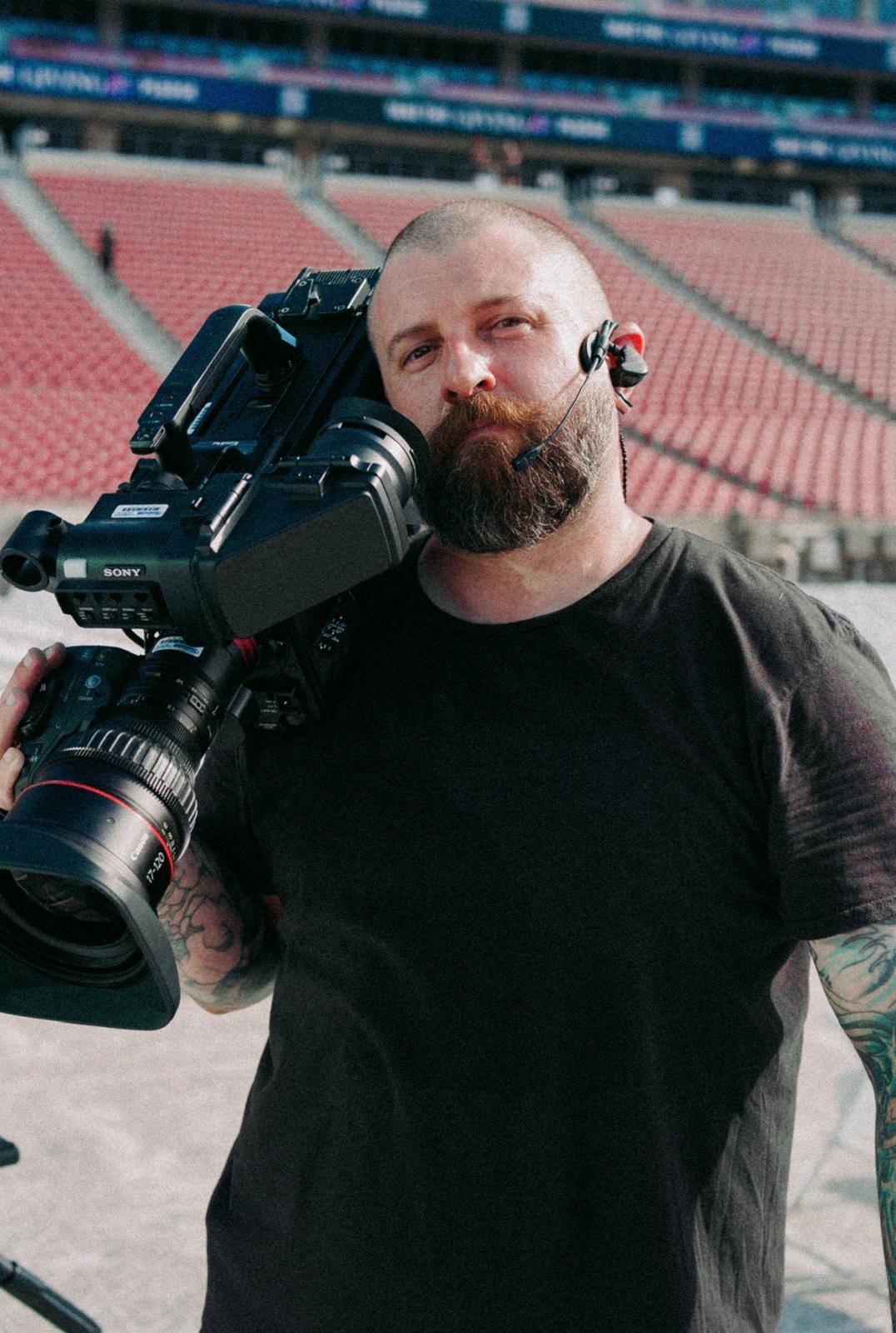
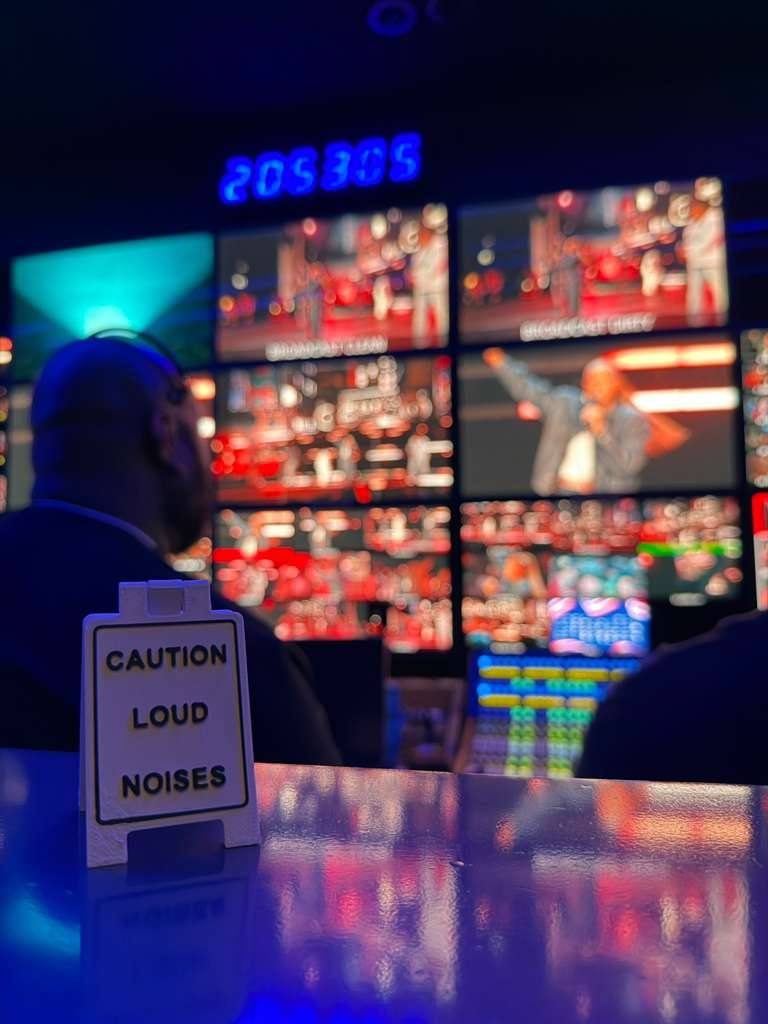
A camera operator sees the whole thing through a viewfinder. You are inside the moment and responsible for capturing it at the same time. You cannot check out spiritually and expect the shots to carry anything, and you cannot get so lost in the room that you miss the call. Holding both at once is the entire discipline.
Production done right is invisible. Nobody watching from home thought about the operator holding a shot steady while a woman came up out of the water with her hands over her face. That is the goal. That is also the condition of this work.
I built a curriculum around a sentence I have repeated for years. Worshipper first. Camera operator second.
Standing on the Mall at 6:30 in the morning with a camera on my shoulder and a country about to gather behind me, the order still mattered.
It still does.
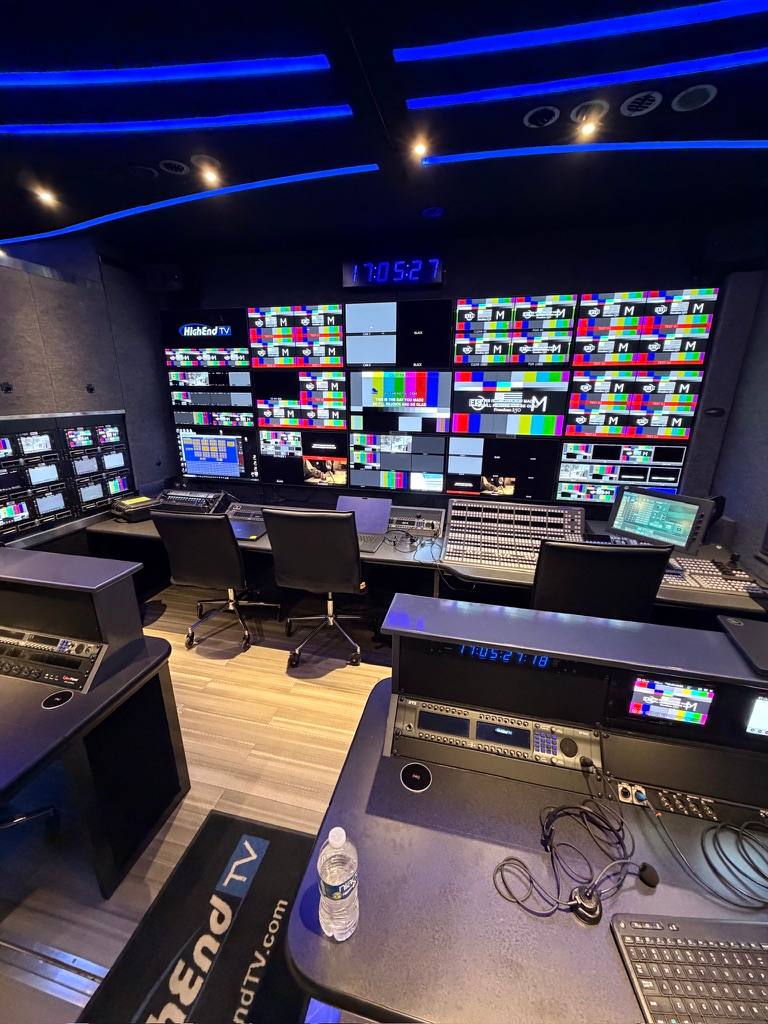
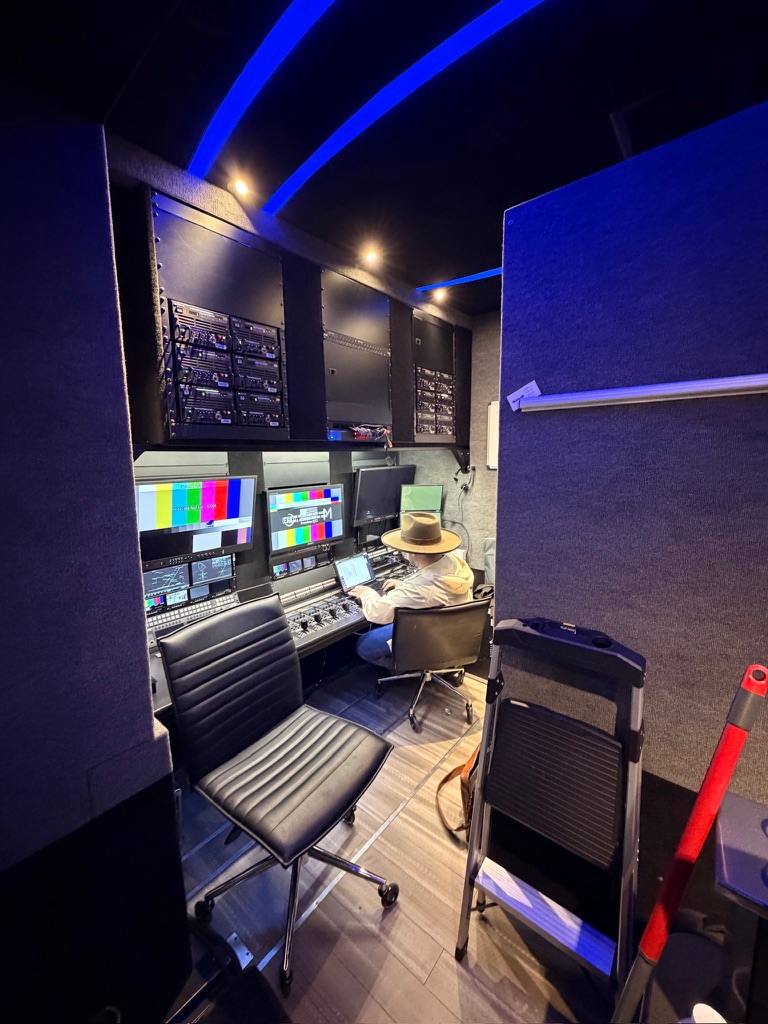
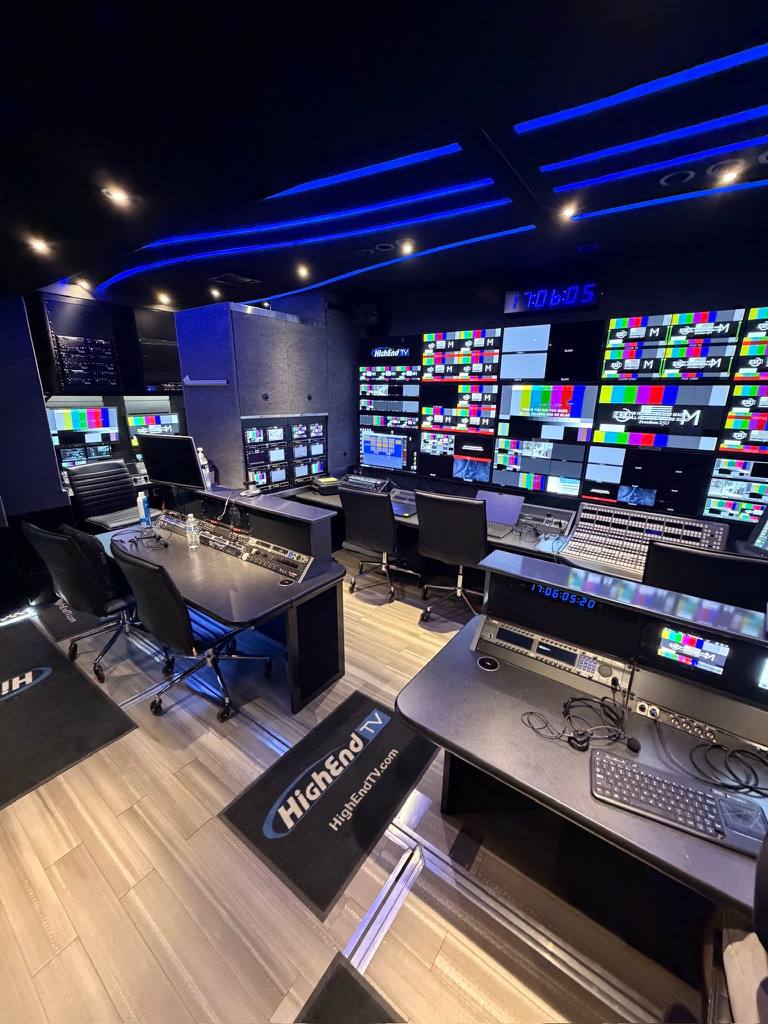
GALLERY99 frames from the day
01020304050607Broadcast Trailer Power Distro and Battery backup08Broadcast Trailer Power Distro and Battery backup09101112high-five cart131415161718192021222324252627282930313233343536373839404142434445464748495051525354555657585960616263646566676869707172737475767778798081828384858687888990919293949596